
Having introduced the shoulder-in with last week’s #TuesdayTrainingTip, we’re now going to look at how you can improve your horse’s way of going with this important exercise.
As with any movement, it is tempting to ‘drill’ it at home to get the perfect competition shoulder-in. The judges are looking for a clear, three-track angle, perfectly positioned on the track, with a uniform inside bend through the body. When done well, it is a thing of beauty – but it is almost impossible to pull it off without riding variations on the exercise.
When we confine ourselves to simply reproducing the movements from the test – and getting as close to that elusive ‘10’ as possible – we can never reach the full potential of the exercise. Furthermore, you limit the range of responses the horse can give you. What happens if you need to make a slight adjustment to the angle or bend in the test? A horse that is not used to variation within the movement will find this very difficult. Try adjusting the bend without changing the angle or bringing the horse straight through its body. Can you increase the angle, or ride the shoulder-in away from the fence?
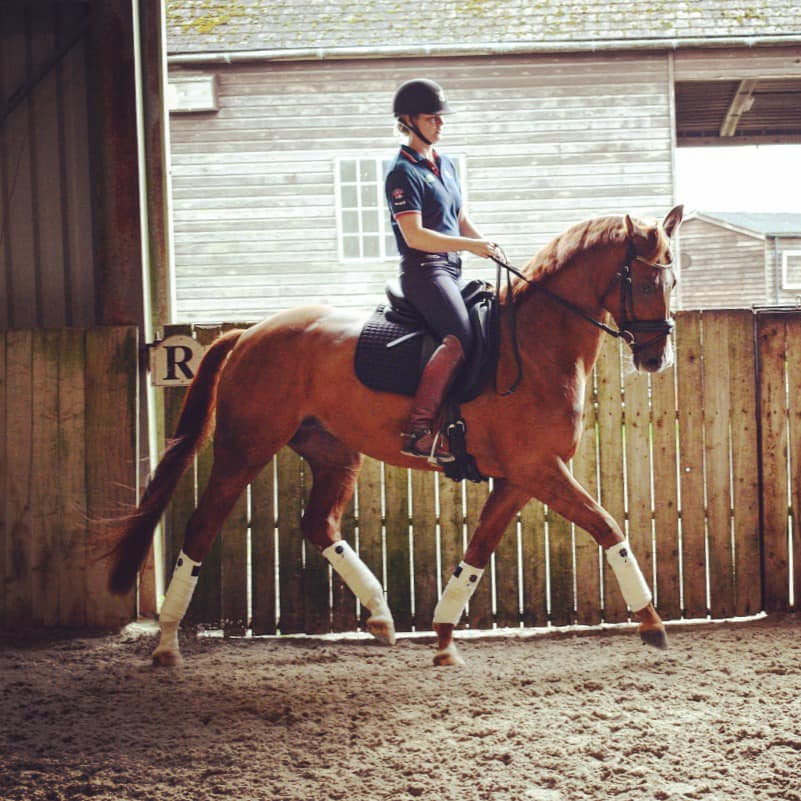
One useful exercise is the transition from shoulder-in to renvers and back again. First, establish the shoulder-in on the track and ensure it is secure, balanced and supple. Once you are happy with the shoulder-in, gradually begin to change the bend from the inside to the outside, while maintaining the angle. The hind legs should continue on the same path along the track, and the horses face should be looking directly up the arena towards the short side. Once this is soft and established, you can then take the bend back to the inside – watching that the horse doesn’t automatically drop its shoulder out towards the fence.
Changing the bend in this way tests the horse’s suppleness, engagement and responsiveness, and ensures it doesn’t get ‘stuck’ in the exercise. It gives the rider plenty more options and better reactions from the horse to make the tiny, invisible adjustments needed to produce a smooth, correct shoulder-in.